You Gotta Taste This: Turku’s Food Scene Will Blow Your Mind
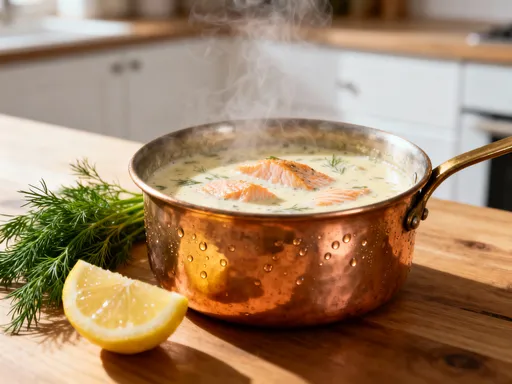
Nestled along Finland’s southwest coast, Turku awakens the senses with more than just its historic charm. I was blown away by how this compact city packs a serious culinary punch—from centuries-old market halls to bold Nordic kitchens reinventing local flavors. You’ll find smoked Baltic herring served with dill-laced potatoes, creamy salmon soup in copper pots, and modern bistros turning foraged herbs into edible art. This is real, unfiltered Finnish food culture, alive and thriving. More than a gateway to the archipelago, Turku is a destination where every meal tells a story of the land, sea, and seasons. For food-loving travelers seeking authenticity, it’s a quiet revelation waiting to be discovered.
Why Turku Is Finland’s Underrated Food Capital
Though Helsinki often steals the spotlight, Turku quietly holds the title of Finland’s true culinary cradle. As the nation’s first capital and oldest city, founded in the 13th century, Turku has spent centuries absorbing flavors from the sea, forest, and farmland. Its location at the mouth of the Aura River has made it a natural hub for trade, fishing, and agriculture, laying the foundation for a food culture deeply rooted in freshness and seasonality. Unlike larger cities where global influences dominate, Turku’s modest size—home to just over 200,000 residents—ensures that dining remains personal, local, and intimately connected to regional traditions.
What makes Turku special is not just what’s on the plate, but how it’s presented. The city’s compact layout means you can walk from a centuries-old bakery to a riverfront fish market in under ten minutes. This accessibility enhances the food experience, allowing visitors to move seamlessly between historic institutions and contemporary eateries. There’s no need to navigate sprawling districts or rely heavily on transportation. Instead, food lovers can follow their noses through cobblestone alleys and tree-lined quays, discovering hidden cafés and family-run kitchens that define the city’s soul.
Moreover, Turku’s identity as a university town and cultural center has nurtured a new generation of chefs who honor tradition while embracing innovation. The result is a dining scene that feels both timeless and forward-thinking. Whether it’s a grandmother flipping rye pancakes in a market stall or a young chef fermenting birch sap in a minimalist kitchen, the city celebrates continuity and creativity in equal measure. For those seeking a deeper understanding of Finnish cuisine, Turku offers not just meals, but moments of connection.
The Heartbeat of Flavor: Turku Market Hall (Kauppahalli)
No visit to Turku is complete without stepping into the Turku Market Hall, a beloved institution since 1896. Tucked beside the Aura River, this elegant brick building hums with activity every morning, its wooden counters gleaming under soft light. The air is rich with the scent of smoked fish, fresh bread, and wild mushrooms—a sensory overture to the region’s bounty. Locals weave through the narrow aisles, chatting with vendors who’ve served their families for decades. This isn’t just a place to eat; it’s where community and cuisine intertwine.
At the heart of the market are the fishmongers, their displays piled high with glistening herring, perch, and salmon. One must-try is the smoked Baltic herring, often served cold with boiled potatoes, red onion, and a dollop of dill-spiked sour cream. For the adventurous, fresh vendace roe—delicate, briny, and bright orange—is a seasonal treasure, typically spread on crispbread or tucked into soft rye buns. Meat lovers shouldn’t miss the reindeer sausage, a Finnish staple with a deep, gamey richness that pairs perfectly with lingonberry jam.
Sweet tooths will find joy in the preserves and pastries. Cloudberry jam, golden and tart, is a northern delicacy often spread on warm pancakes or stirred into yogurt. Local honey, infused with wild thyme or pine, offers a floral contrast to the earthy flavors dominating the savory stalls. Many vendors offer samples, encouraging visitors to taste before they buy—a small gesture that reflects the hall’s welcoming spirit.
To make the most of your visit, arrive early in the morning when the fish is freshest and the crowds are light. While most stalls accept cards, it’s wise to carry some cash for smaller purchases. Seasonal highlights include fresh morel mushrooms in late spring, new potatoes in summer, and game meats in autumn. Whether you’re grabbing a quick bite or assembling a picnic, the market hall is the perfect starting point for any culinary journey in Turku.
From Farm to Fjord: The Nordic Ingredients Behind Turku’s Cuisine
Turku’s food identity is shaped by its geography—a coastal city flanked by forests, farmland, and thousands of islands. This unique landscape yields an extraordinary range of ingredients, each reflecting the rhythm of the seasons. The Baltic Sea provides an abundance of fish, while the surrounding woodlands offer mushrooms, berries, and herbs that define Nordic cooking. Local farms supply dairy, lamb, and root vegetables, creating a circular food system where freshness is not a luxury, but a standard.
Seafood is central to Turku’s cuisine. Herring, perch, and salmon are staples, often prepared using traditional methods like smoking, pickling, or slow-poaching in cream. Fish markets and coastal villages source directly from small-scale fishermen, ensuring that what ends up on the plate is hours from the water. In summer, locals enjoy grilled mackerel on the archipelago islands, while winter brings rich fish stews simmered with root vegetables and dill.
The forests contribute just as much to the table. Chanterelles, ceps, and horn-of-plenty mushrooms appear in sauces, omelets, and soups from late summer through autumn. Arctic berries—lingonberries, cloudberries, and bilberries—are harvested wild and used in jams, desserts, and even savory sauces. Cloudberry, in particular, is prized for its golden hue and tangy sweetness, often paired with game or vanilla ice cream in upscale restaurants.
Sustainability is deeply embedded in Turku’s food culture. Many restaurants partner with local farms and foragers, reducing food miles and supporting regional economies. Menus change frequently to reflect what’s in season, meaning a dish enjoyed in June may not reappear until the following year. This commitment to seasonality not only enhances flavor but also fosters a deeper respect for nature’s cycles. For travelers, it’s a reminder that great food begins long before it reaches the kitchen.
Hidden Gems: Off-the-Beaten-Path Eateries You Can’t Miss
Beyond the well-trodden paths of the market hall and city center, Turku hides a network of intimate eateries that reveal the city’s culinary soul. These spots aren’t always featured in guidebooks, but they’re cherished by locals for their authenticity and warmth. One such gem is a tiny café tucked into a 19th-century courtyard, where the owner serves rye bread pancakes topped with lingonberry compote and whipped cream. The pancakes are dense and slightly sour, a perfect contrast to the sweet-tart berries, and best enjoyed with a cup of strong Finnish coffee.
Another favorite is a cozy wine bar nestled in the Vartiovuori district, where natural wines from small European producers are paired with Nordic-inspired small plates. Think venison tartare with pickled shallots, or roasted beetroot with goat cheese and toasted hazelnuts. The atmosphere is relaxed, the lighting soft, and the staff eager to guide guests through the menu. It’s the kind of place where a two-hour dinner feels like a conversation among friends.
For those seeking a truly local experience, seek out family-run restaurants in residential neighborhoods like VII Kortteli or Pansio. These spots often lack English menus, but that’s part of their charm. A handwritten sign might list the day’s fish soup or meatball stew, both made from scratch with ingredients sourced that morning. Service is unhurried, portions generous, and prices refreshingly modest. These are not performances for tourists—they’re everyday meals made with pride.
To avoid tourist traps, look for places filled with locals, especially during weekday lunches. Long lines at unassuming storefronts are usually a good sign. Avoid restaurants with multilingual menus displayed prominently outside or those located directly on main squares. Authenticity in Turku isn’t about presentation; it’s about intention. When you sit down to a meal that feels homemade, you’re likely in the right place.
Fine Dining Reinvented: Modern Nordic Restaurants in Turku
While Turku honors tradition, it also embraces innovation through a growing number of modern Nordic restaurants that elevate local ingredients to art. These kitchens are led by chefs trained in Helsinki, Copenhagen, and beyond, who return home with new techniques but a deep respect for their roots. Fermentation, smoking, and pickling are not just trends here—they’re time-honored methods refined with precision and creativity.
One standout restaurant offers a multi-course tasting menu that unfolds like a journey through the Finnish landscape. The meal begins with a delicate amuse-bouche of smoked perch roe on rye crisp, followed by a velvety sorrel soup made with foraged greens. Mains might feature slow-roasted lamb from nearby farms, served with caramelized salsify and juniper jus, or pan-seared perch with brown butter and wild chives. Each dish is plated with minimalist elegance, letting the ingredients speak for themselves.
Another dining destination focuses on zero-waste cooking, using every part of the animal and vegetable. Carrot tops become pesto, fish bones are simmered into gelatin-rich broths, and stale bread is transformed into croutons or bread pudding. The menu changes weekly, sometimes daily, based on what’s available. Reservations are essential, often required weeks in advance, especially during food festivals or summer months.
Prices at these restaurants reflect the care and craftsmanship involved, with tasting menus ranging from 70 to 120 euros per person. Dress codes are generally smart casual—no need for formal wear, but jeans and sneakers may feel out of place. What you gain is not just a meal, but an experience: a chance to see how Finnish cuisine is evolving without losing its soul. For food enthusiasts, it’s a glimpse into the future of Nordic dining.
Street Food & Quick Bites That Deliver Big Flavor
Turku proves that great food doesn’t have to come with a white tablecloth. The city’s street food scene is vibrant and accessible, offering bold flavors in convenient formats. One of the most beloved treats is the korvapuusti, a Finnish cinnamon roll swirled with cardamom and sugar, often enjoyed with coffee in the late afternoon. Bakeries across the city produce them fresh throughout the day, their warm, buttery scent drifting onto the sidewalks.
For a more adventurous palate, try salmiakki, a salty licorice candy with a devoted following. It’s an acquired taste—sharp, ammoniated, and intense—but many Finns swear by its energizing effect. You’ll find it in candy shops, gas stations, and even specialty ice cream flavors. Some food trucks even offer salmiakki-spiked chocolate or gummies for the curious traveler.
When it comes to savory street food, Karelian pies are a must. These oval-shaped pastries, made from rye flour and filled with rice porridge or mashed potatoes and egg, are a Finnish classic. Local food trucks often serve them warm with a pat of butter or a spoonful of egg butter. Smoked fish wraps are another popular option—flaky herring or salmon tucked into flatbread with cucumber, red onion, and dill cream, perfect for eating on a park bench by the river.
Weekend markets and food festivals often feature pop-up vendors offering everything from reindeer sliders to cloudberries with whipped cream in edible cones. These bites allow visitors to sample a wide range of flavors without committing to a full meal. They’re also ideal for families or travelers with limited time. In Turku, even a quick lunch can be a culinary highlight.
Planning Your Culinary Journey: Practical Tips for Food Travelers
To fully enjoy Turku’s food scene, a little planning goes a long way. The best time to visit is late spring through early autumn, when outdoor markets are in full swing and seasonal ingredients are at their peak. Don’t miss Taste of Turku, a summer festival that transforms the city into an open-air dining destination, with restaurants offering special menus and chefs hosting live demonstrations. Another highlight is Ruiskumppana, a craft beer and food pairing event that showcases local breweries alongside innovative small plates.
Getting around is easy. Turku is highly walkable, and most major food spots are clustered along the Aura River. Biking is another excellent option—rental stations are scattered throughout the city, and dedicated bike lanes make navigation safe and pleasant. For destinations slightly outside the center, such as archipelago markets or farm stands, local buses are reliable and affordable. Many visitors also combine their trip with a ferry to nearby islands, where small harbors often host seasonal seafood stalls.
Dietary needs are increasingly accommodated. While traditional Finnish cuisine is meat- and dairy-heavy, most restaurants now offer vegetarian options, and many list allergens clearly on menus. Vegan and gluten-free choices are more common in modern bistros and cafés, though it’s wise to confirm with staff if you have strict requirements. Learning a few Finnish food terms—such as kasvis (vegetarian) or gluteeniton (gluten-free)—can be helpful, but English is widely spoken in dining establishments.
In the end, what makes Turku’s food scene so remarkable is its honesty. There’s no pretense, no attempt to impress with extravagance. Instead, there’s a quiet confidence in the quality of what’s on the plate. Every bite connects you to the land, the sea, and the people who care for them. For food-loving travelers, especially those who value authenticity over spectacle, Turku offers a rare gift: a true taste of Finland, unfiltered and unforgettable.