Above the City: How Hiking Vienna’s Hidden Trails Reveals the Most Breathtaking Viewpoints
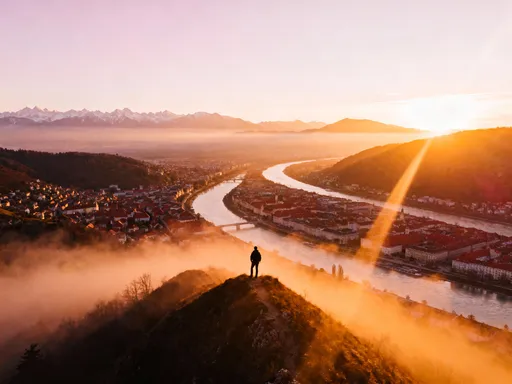
Nestled between the Danube and the Wienerwald, Vienna isn’t just about imperial palaces and coffee houses—its surrounding hills offer some of Europe’s most underrated urban hikes. I never expected to find such wild serenity just a metro ride from the city center. From sunrise over misty valleys to panoramic views of baroque rooftops, these trails deliver unforgettable moments without the crowds. This is urban nature at its finest—accessible, peaceful, and absolutely stunning. For families, solo walkers, and weekend explorers alike, Vienna’s green embrace offers a rare gift: the chance to leave the city behind while still seeing it clearly, framed by forest and sky.
Why Vienna’s Hills Are a Hiker’s Secret Playground
Vienna stands apart from most European capitals not only for its cultural richness but also for its extraordinary geographical blessing—the Wienerwald, or Vienna Woods, forms a sweeping natural arc just west of the city center. This forested highland, designated a UNESCO Biosphere Reserve in 2005, stretches over 100,000 hectares and serves as both a protected ecosystem and an accessible recreational haven. What makes this region unique is its proximity: within 30 minutes by public transit, city dwellers can step into a world of quiet trails, chirping birds, and sun-dappled glades. Unlike mountainous regions requiring long drives or special gear, Vienna’s hills rise gently from suburban neighborhoods, making them ideal for spontaneous weekend outings or weekday escapes after work.
The terrain varies subtly but meaningfully across the region, offering something for every level of hiker. Beginners can enjoy wide, well-paved forest roads with minimal elevation gain, while more experienced walkers will appreciate the network of narrow, winding paths that climb through mixed woodland and open meadows. Trails are consistently marked with the Austrian hiking system—white-red-white bars on trees and stones—ensuring that even first-time visitors can navigate with confidence. Signage is frequent and clear, often indicating both walking time and difficulty level, allowing families with children or older adults to plan accordingly. There’s no need for GPS or advanced navigation skills, though carrying a simple map or using a reliable app enhances the experience.
Equally important is the accessibility offered by Vienna’s exceptional public transportation system. The U-Bahn and S-Bahn lines reach deep into the outer districts, with stops like Heiligenstadt, Grinzing, and Kahlenbergerdorf serving as direct gateways to trailheads. From Heiligenstadt, for example, hikers can begin the ascent toward Leopoldsberg with just a ten-minute walk from the station. Buses also serve more remote access points, such as those leading to Hermannskogel in the northern reaches of the city. This seamless integration of nature and transit means that residents and visitors alike can leave their cars behind, reducing environmental impact while increasing convenience. It’s a model of sustainable urban living that few cities have managed to replicate so effectively.
Beyond accessibility, the Wienerwald provides a remarkable diversity of landscapes within a compact area. Vineyards cling to south-facing slopes in villages like Grinzing and Neustift, where the scent of ripening grapes lingers in late summer. Streams meander through shaded ravines, and clearings open up to sunlit pastures dotted with wildflowers in spring. The forest itself is a mosaic of beech, oak, and pine, with undergrowth that changes with the seasons—from lush green ferns in May to golden leaves in October. This variety ensures that no two hikes feel the same, encouraging repeat visits throughout the year. For families, these trails offer not only exercise but also opportunities for quiet connection, nature education, and mindful reflection away from screens and schedules.
Top Viewpoints You Can Reach on Foot (And Why They’re Worth It)
One of the most rewarding aspects of hiking in the Vienna Woods is the succession of panoramic viewpoints that unfold as you climb. These natural lookouts offer a vantage point no museum or observation deck can match—because they are earned, not purchased. Among the most celebrated summits are Kahlenberg, Leopoldsberg, and Hermannskogel, each offering a distinct perspective on the city and its surroundings. From these heights, Vienna transforms from a collection of streets and buildings into a living landscape, framed by rivers, forests, and distant mountain ranges.
Kahlenberg, standing at 484 meters, delivers one of the most iconic views in Austria. On a clear day, the panorama stretches across the Danube River, the sprawling rooftops of the city’s historic core, and even the faint outline of the Alps to the west. The view is particularly striking at sunrise, when the first light gilds the dome of St. Stephen’s Cathedral and casts long shadows across the Innere Stadt. Because of its popularity, many choose to hike early in the morning to avoid the midday crowd of tourists arriving by car or bus. Yet even during peak hours, the surrounding trails remain peaceful, branching off into quieter woodlands just minutes from the summit.
Leopoldsberg, slightly lower at 425 meters, offers a more intimate experience. Its vantage point faces north, providing a sweeping view of the Danube as it curves through the Lobau wetlands toward the Slovak border. The sight of the river winding through mist in the early hours evokes a sense of timelessness, as if the city has always existed in harmony with this natural waterway. Unlike Kahlenberg, Leopoldsberg sees fewer visitors, making it a favorite among locals seeking solitude. The climb is moderately steep but manageable for most fitness levels, and the path is shaded for much of the way, offering relief on warmer days.
Hermannskogel, Vienna’s highest natural point at 542 meters, remains one of its best-kept secrets. Located in the northern part of the city, it overlooks the quieter districts and extends the gaze toward the Marchfeld plains and the Carpathian foothills. Because it’s less accessible by direct transit and requires a longer hike, it attracts fewer visitors, preserving its sense of remoteness despite being within city limits. In winter, a dusting of snow transforms the trail into a silent, crystalline world, while spring brings blooming anemones and wood sorrel underfoot. Each of these summits offers not just a view, but a moment of stillness—a chance to pause and absorb the quiet grandeur of a city that breathes with nature.
Kahlenberg: The Crown Jewel of Vienna’s Hiking Scene
If any single trail embodies the spirit of Vienna’s urban hiking culture, it is the ascent to Kahlenberg. This storied summit has drawn visitors for centuries, from Emperor Joseph II, who commissioned the road in the 18th century, to modern-day walkers seeking clarity and calm. Multiple routes lead to the top, each offering a different rhythm and atmosphere. The most popular begins in Nussdorf, a charming wine village at the edge of the city. From there, the path climbs steadily through vineyards and chestnut groves, passing old stone walls and the occasional family-run Heuriger, where locals gather in late afternoon for wine and simple food.
Another scenic option starts in Grinzing, perhaps Vienna’s most famous wine district. This route winds through dense forest, following a well-maintained trail that gains elevation gradually. The air here is cooler, scented with pine and damp earth, and the sound of the city fades within minutes. Birdsong replaces traffic noise, and the occasional rustle in the underbrush hints at wildlife—squirrels, foxes, and even deer are known to roam these woods. The hike from Grinzing takes about 60 to 75 minutes at a moderate pace, making it ideal for a morning outing followed by a late breakfast at the summit café.
For those seeking a longer, more immersive experience, the Mauerbach path offers a quieter alternative. Beginning near the Mauerbach Charterhouse, this trail follows an old pilgrimage route and passes through one of the most pristine sections of the Wienerwald. The path is narrower and less traveled, with natural steps formed by tree roots and occasional wooden bridges over small streams. It takes approximately 90 minutes to reach Kahlenberg from this direction, but the solitude and sense of discovery make it worthwhile. Along the way, hikers pass the ruins of a small chapel and several stone markers indicating historical land boundaries.
At the summit, the reward is immediate: a 360-degree panorama that captures the essence of Vienna’s geography. To the south, the city spreads out in an intricate patchwork of rooftops, parks, and river bends. To the west, the foothills of the Alps rise faintly on the horizon, especially visible after rain. The Danube, now a broad ribbon of silver, cuts across the northern landscape. While the monastery and café at the top provide welcome rest spots, the true magic happens at sunrise or golden hour, when the light softens and the city glows. Many hikers time their ascent to arrive just before dawn, sitting on a bench or the stone wall to watch the world wake up below.
Leopoldsberg: Quiet Majesty with a Touch of History
Just a short distance from Kahlenberg, Leopoldsberg offers a contrasting experience—one defined by stillness, history, and spiritual resonance. Standing at the northern edge of the Vienna Woods, this hill has long been a place of pilgrimage and reflection. At its summit sits the Baroque pilgrimage church of St. Leopold, consecrated in 1721 and dedicated to Austria’s patron saint. The church’s white facade and twin towers rise gracefully against the sky, and its interior, though modest, exudes a sense of peace. Visitors often pause here not just to rest, but to light a candle or sit in quiet contemplation.
The views from Leopoldsberg are no less impressive than those from its more famous neighbor, but they feel more intimate. Looking north, the Danube unfolds in a wide arc, flanked by the green expanse of the Lobau National Park. On clear days, the distant hills of Moravia are visible across the Slovak border. To the east, the city’s northern districts stretch toward the airport, while to the south, the vineyards of Neustift and Sievering climb the slopes. Because this summit faces away from the city center, it offers a different narrative—one of Vienna as a settlement nestled within a larger natural system, rather than a dominant urban force.
Hiking routes to Leopoldsberg begin in either Salmannsdorf or Neustift am Walde, both picturesque villages known for their wine culture. The path from Salmannsdorf is slightly steeper, gaining elevation quickly through a mixed forest of beech and fir. Stone steps assist in the steepest sections, and wooden railings provide support. Along the way, informational panels describe the local flora and the history of the area, including its role in the 1683 Battle of Vienna, when watchfires were lit here to warn the city of approaching Ottoman forces. This historical layer adds depth to the hike, transforming it from a simple walk into a journey through time.
The route from Neustift is longer but gentler, following a wide forest road that winds through vineyards and open woodland. This path is particularly popular with families, as it allows for a more relaxed pace and frequent stops. In summer, wild strawberries grow along the edges, and children delight in spotting butterflies and lizards. The final approach to the summit is marked by a stone archway and a series of Stations of the Cross, signaling the sacred nature of the destination. Upon arrival, many visitors circle the viewing platform slowly, taking in each direction before finding a quiet spot to sit. It’s not uncommon to hear only the wind and the distant chime of the church bell—a rare moment of silence in an otherwise busy life.
Off-the-Beaten-Path: Hermannskogel and the Northern Trails
For those seeking solitude and a deeper immersion in nature, Hermannskogel in the northern Döbling district offers an unparalleled experience. As Vienna’s highest point, it stands at 542 meters and commands a sweeping view that few locals even know exists. Unlike the more popular southern hills, Hermannskogel is less frequented, partly due to its more remote location and the longer hike required to reach it. Yet this very inaccessibility is what makes it so special—a place where the forest feels truly wild, and the only sounds are the rustle of leaves and the call of jays.
One of the most scenic routes begins near the Döbling cemetery, a quiet, tree-lined graveyard that serves as an unexpected gateway to the trail. From there, the path climbs through dense woodland, following a natural ridge that offers occasional glimpses of the city through the trees. The terrain is more rugged than in the southern hills, with exposed roots, rocky outcrops, and uneven footing—making proper hiking shoes essential. This trail is not for the faint of heart, but it rewards effort with a sense of accomplishment and profound peace.
Another option is the Lobenfeldweg, which starts in the residential area of Sievering. This path is wider and better maintained, making it suitable for intermediate hikers. It winds through open meadows in spring, where crocuses and snowdrops bloom before the trees fully leaf out. In autumn, the forest floor becomes a mosaic of fallen leaves, and in winter, a light snow cover transforms the landscape into a serene, monochrome world. Because this area is less exposed to city lights, it’s also one of the best places in Vienna for stargazing on clear nights.
What sets Hermannskogel apart is not just its elevation, but its atmosphere. There are no cafés or souvenir shops at the top—only a simple stone marker and a wooden viewing platform. Yet this minimalism enhances the experience, allowing visitors to focus on the landscape rather than distractions. On foggy mornings, the summit emerges from the mist like an island in the sky, and on windy days, the trees sway in unison, creating a hypnotic rhythm. For those seeking quiet reflection, creative inspiration, or simply a break from the pace of daily life, Hermannskogel offers a sanctuary unlike any other within city limits.
Practical Tips for Hiking Like a Local
To fully enjoy Vienna’s hiking trails, a few practical considerations can make a significant difference. First, timing matters. Early mornings and weekdays are ideal for avoiding crowds, especially on popular routes like Kahlenberg. Sunrise hikes not only offer the best light but also the clearest air and the quietest trails. Weekends, particularly in spring and fall, can be busy with both locals and tourists, so starting early ensures a more peaceful experience.
Packing appropriately is equally important. A reusable water bottle is essential, as natural springs are rare on most trails. Lightweight, moisture-wicking clothing is recommended, along with a light jacket—even in summer, temperatures can drop significantly at higher elevations. A small backpack with snacks, a map, and a fully charged phone completes the basic kit. While trail markings are reliable, carrying a physical map or using an offline app like Komoot or ÖBB Scotty provides added security, especially on lesser-known paths.
Footwear is critical. Many underestimate the terrain, assuming that urban-adjacent trails are easy. However, even moderate hikes can involve loose gravel, tree roots, and wet patches after rain. Sturdy hiking shoes with good grip prevent slips and reduce fatigue. Open sandals or flat-soled shoes are not advisable, particularly on steeper or rocky sections.
Weather in the Wienerwald can change quickly. A sunny morning in the city may turn cool and misty in the hills, so layering is key. Checking the forecast before departure is wise, but being prepared for surprises is wiser. Additionally, hikers should be mindful of local regulations—dogs must be leashed in certain areas, and open fires are prohibited. Respecting the environment ensures that these trails remain pristine for future generations.
Finally, many locals enhance their hike with a visit to a Heuriger—a traditional wine tavern—after descending. Grinzing, Neustift, and Sievering are all home to family-run establishments that serve young wine, cold cuts, and bread. Sitting on a shaded terrace with a glass of Grüner Veltliner after a morning hike is a cherished Viennese ritual, blending physical activity with cultural enjoyment. It’s a reminder that these trails are not just about exercise, but about connection—to nature, to history, and to community.
Why These Hikes Change How You See Vienna
Hiking Vienna’s hidden trails offers more than scenic views—it reshapes the way we relate to the city itself. From above, Vienna appears not as a static monument, but as a living organism, breathing in rhythm with the seasons and the landscape. The baroque spires, the winding Danube, the patchwork of parks and rooftops—all come into focus with new clarity. This elevated perspective fosters a deeper appreciation for the city’s balance between urban life and natural beauty, a harmony that is both intentional and rare.
Emotionally, these hikes provide a form of mindfulness. The rhythmic pace of walking, the focus on uneven terrain, the awareness of breath and surroundings—all contribute to a meditative state. In a world of constant stimulation, the forest offers a space to slow down, to listen, to simply be. Parents report that their children are more present on these trails, engaged by the sights and sounds of nature. Couples find conversation flows more easily without distractions. Individuals discover moments of quiet reflection that are hard to come by in daily life.
Moreover, these hikes reinforce a sense of well-being. Studies have shown that time in green spaces reduces stress, improves mood, and enhances cognitive function. In Vienna, this benefit is available to nearly everyone, regardless of income or background, thanks to the city’s commitment to public access and transportation. The ability to reach a forest summit without a car or special equipment is a form of equity that enriches the entire community.
Ultimately, hiking the Wienerwald is an invitation to see Vienna with fresh eyes. It encourages us to step beyond the well-trodden paths of museums and cafés and discover the city’s quieter, wilder soul. It reminds us that beauty and peace are not distant luxuries, but close at hand, waiting just beyond the next trail marker. So lace up your shoes, take the U-Bahn to the edge of the city, and begin the climb. The view—and the transformation—will be worth every step.