Why Pilates Changed My Daily Routine — And Can for You Too
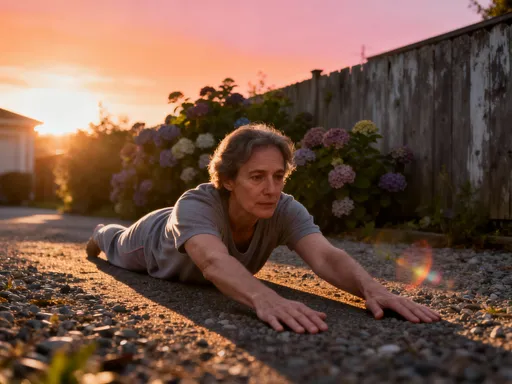
I used to think Pilates was just slow stretches for people who didn’t want a real workout. Then I tried it — not as a fitness trend, but as a solution for my stiff back and low energy. Within weeks, I noticed real shifts: better posture, less tension, and a surprising mental boost. It wasn’t magic — just consistent, mindful movement. Now I can’t imagine my day without it. This is why Pilates might be the missing piece in your routine, too.
The Misunderstood Power of Pilates
Pilates is often mistaken for a gentle stretching class or a low-effort alternative to real exercise. This misconception overlooks its foundation as a system of controlled, intentional movement designed to build strength, stability, and body awareness. Developed by Joseph Pilates in the early 20th century, the method was originally used to rehabilitate injured soldiers and dancers. It emphasizes core engagement, precise alignment, and breath coordination — elements that are far from passive. Unlike high-intensity workouts that rely on momentum and repetition, Pilates prioritizes quality of motion over quantity, making it both challenging and sustainable.
One of the most persistent myths is that Pilates is only for women or older adults. In reality, it has been embraced by athletes, physical therapists, and fitness professionals across genders and age groups. Its adaptability allows it to serve both injury recovery and performance enhancement. While it shares some philosophical roots with yoga — such as mindfulness and breath awareness — Pilates differs in its primary focus on muscular control and functional movement patterns. It does not involve spiritual components or extended meditation practices, making it accessible to those seeking physical benefits without a holistic or religious framework.
Another point of confusion is the idea that Pilates is too easy to be effective. On the surface, movements may appear simple — a pelvic tilt, a small lift of the shoulder blades — but their effectiveness lies in neuromuscular precision. Engaging the deep stabilizing muscles of the core, such as the transversus abdominis and pelvic floor, requires focus and consistency. Over time, these small efforts translate into improved posture, reduced strain on joints, and greater ease in daily activities. The strength built through Pilates is not measured in how much weight you can lift, but in how well your body supports itself during every movement.
Why Modern Bodies Need Pilates
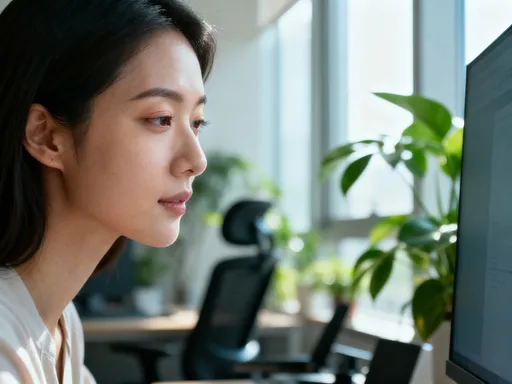
Today’s lifestyles place unprecedented stress on the human body, much of it due to prolonged sitting. Hours spent at desks, in cars, or on couches contribute to a predictable pattern of physical imbalances: tight hip flexors, weakened glutes, rounded shoulders, and a stiff spine. These postural deviations may seem minor at first, but they accumulate over time, leading to chronic discomfort and increased risk of injury. The body adapts to what it does most — and for many, that means adapting to stillness. Muscles shorten, joints lose mobility, and movement becomes inefficient. Pilates offers a counterbalance to this modern physical decline by retraining the body to move with alignment and control.
Consider a typical morning: you wake up with a stiff neck, struggle to stand up straight, and feel a dull ache in your lower back before the day has even begun. Or picture the midday slump — shoulders creeping toward your ears, energy fading, and focus slipping. These are not just signs of fatigue; they are signals from your body that it is out of balance. The core, which should act as a natural stabilizer, often remains underused, forcing other muscles to compensate. This compensation leads to tension, strain, and overuse injuries. Pilates addresses these issues at their source by teaching the body to activate the right muscles at the right time.
What makes Pilates particularly valuable is its low-impact nature. Unlike running or high-intensity interval training, it does not place excessive stress on joints or connective tissues. This makes it suitable for people recovering from injury, managing chronic pain, or simply looking for a sustainable way to stay active. It is not about pushing limits but about restoring function. By improving body awareness, Pilates helps individuals recognize and correct harmful movement patterns before they lead to more serious problems. In this way, it serves not just as exercise, but as preventive care for the musculoskeletal system.
The Science Behind the Slow Burn
The effectiveness of Pilates is supported by principles of exercise science, particularly in the areas of neuromuscular coordination and motor control. Every movement in Pilates requires the brain to communicate clearly with the muscles, reinforcing neural pathways that govern balance, stability, and precision. Over time, this leads to improved muscle recruitment — meaning the right muscles fire at the right time, reducing inefficiency and strain. For example, someone with chronic lower back pain may unknowingly rely on their back muscles to stabilize the spine, when the deeper core muscles should be doing the work. Pilates retrains this pattern, promoting healthier movement habits.
Joint mobility is another key benefit. Many people assume flexibility is the same as mobility, but they are distinct. Flexibility refers to the range of motion in a muscle, while mobility involves the ability to control that range through strength and coordination. Pilates enhances both by combining dynamic stretching with active muscle engagement. A spine twist, for instance, does not just stretch the torso — it strengthens the obliques and improves thoracic rotation, making everyday motions like turning to check a blind spot while driving easier and safer. This functional approach ensures that gains in mobility translate directly to real-life movement.
Core endurance is a central outcome of regular Pilates practice. Unlike traditional abdominal exercises that isolate the rectus abdominis (the “six-pack” muscle), Pilates targets the entire core system, including the deep stabilizers. These muscles act like an internal corset, supporting the spine and pelvis during all activities. Research on mind-body exercises, including Pilates, has shown improvements in postural control, balance, and reduced musculoskeletal pain, particularly in the lower back. While individual results vary, the consistency of these findings across multiple studies highlights the method’s value as a complementary approach to physical health.
Quick Wins: How to Start Without Overcommitting
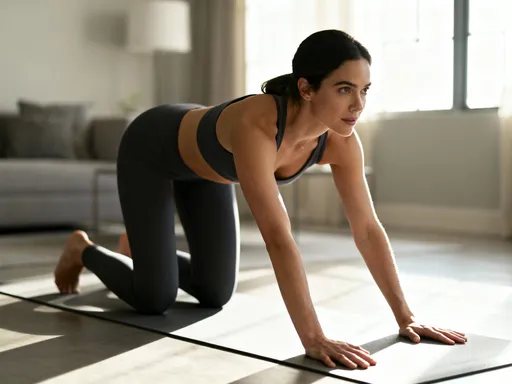
One of the greatest advantages of Pilates is its accessibility. You do not need a gym membership, expensive equipment, or hours of free time to begin. A mat, comfortable clothing, and ten minutes a day are enough to start seeing benefits. For beginners, the key is consistency, not duration. Even short sessions build familiarity with the foundational movements and help establish a routine. The goal is not to master every exercise immediately, but to develop awareness of how your body moves and responds.
Begin with basic exercises that introduce core engagement and breath control. The Hundred, a staple of Pilates practice, involves lying on your back, lifting your head and shoulders slightly, and pumping your arms up and down while maintaining a steady breath. This simple movement activates the deep abdominal muscles and warms up the body. Pelvic curls gently mobilize the spine, one vertebra at a time, promoting flexibility and control. Spine stretches, performed seated, help release tension in the back and improve posture. These movements may feel subtle at first, but they lay the groundwork for more advanced work.
Online resources have made learning Pilates easier than ever. Many certified instructors offer free or low-cost video classes through reputable platforms. Look for programs labeled as beginner-friendly and taught by certified Pilates professionals. Avoid videos that encourage rapid progression or extreme ranges of motion without proper preparation. The focus should be on form, not speed. If possible, consider a single private session with a qualified instructor to learn the basics correctly. This small investment can prevent misunderstandings and set you up for long-term success.
Your First Week: A Simple Roadmap
Starting a new practice can feel overwhelming, but a structured plan can ease the transition. A seven-day introduction allows you to build momentum without feeling pressured to do too much too soon. Each day can focus on a specific theme, helping you gradually integrate Pilates principles into your routine. The goal is not perfection, but progress — noticing how your body feels, where you hold tension, and how small adjustments can make a difference.
Day 1 can center on breath and body awareness. Lie on your back with knees bent and focus on diaphragmatic breathing — inhaling deeply into the ribs and exhaling fully. This simple practice calms the nervous system and prepares the body for movement. Day 2 can introduce pelvic tilts, which teach control of the lower spine and engagement of the pelvic floor. Day 3 might focus on core activation through the Hundred, performed in short sets with rest in between. Day 4 can include spine stretches to improve flexibility and posture. Day 5 can revisit the pelvic curl to reinforce spinal articulation. Days 6 and 7 can combine these movements into a short sequence, allowing you to experience how they work together.
Throughout the week, pay attention to how your body responds. You may notice mild soreness, especially in the deep abdominal muscles, which are often underused. This is normal and should not be painful. Many people also report improved sleep, reduced tension in the neck and shoulders, and a greater sense of calm. These are signs that the practice is having an effect beyond the physical. Modifications are available for every exercise — for example, keeping the head down during the Hundred or using a pillow under the lower back for support. The goal is to meet your body where it is, not force it into positions it is not ready for.
Beyond the Mat: Real-Life Benefits
The true value of Pilates becomes apparent not during the workout, but in daily life. You may notice that standing in line at the grocery store feels easier, or that bending to tie your shoes no longer triggers a twinge in your back. These small improvements reflect deeper changes in strength, alignment, and body awareness. The ability to maintain balance while carrying laundry or lifting a suitcase with less strain is a direct result of improved core stability and coordination.
Another subtle but powerful benefit is enhanced focus. Because Pilates requires concentration on breath, alignment, and movement sequence, it functions as a form of moving meditation. This mental engagement can carry over into other areas of life, improving attention and reducing mental clutter. Many practitioners report feeling more present and less reactive to stress. The mind-body connection fostered by Pilates helps regulate the nervous system, promoting a calmer response to daily challenges.
Over time, these benefits compound. Better posture reduces wear and tear on joints. Improved balance lowers the risk of falls. Greater body awareness makes it easier to recognize early signs of strain and adjust accordingly. Pilates does not promise dramatic weight loss or rapid transformation, but it offers something more lasting — the ability to move through life with greater ease, confidence, and resilience. It is not about achieving a certain look, but about feeling capable and supported in your own body.
Making It Stick: From Tryout to Habit
The biggest challenge in any new routine is consistency. Motivation often fades after the initial excitement, especially when results are not immediately visible. Unlike weight loss, which can be measured on a scale, the benefits of Pilates are often felt before they are seen. Progress may mean standing taller, moving with less effort, or simply feeling more connected to your body. These changes are real, even if they do not show up in a mirror.
To make Pilates a lasting habit, integrate it into existing routines. Try doing a short session after morning coffee, during a lunch break, or before dinner. Pairing it with a daily anchor — such as brushing your teeth or folding laundry — increases the likelihood of sticking with it. Even five to ten minutes a day can maintain the neural and muscular patterns developed through practice. On busy days, focus on one or two key exercises rather than skipping entirely.
It is also important to practice self-compassion. Some days will feel harder than others. You may feel stiff, distracted, or discouraged. This is normal. The goal is not perfection, but presence. Celebrate small victories — completing a session, noticing improved breath control, or simply showing up. Over time, these moments accumulate into meaningful change. Pilates is not a sprint; it is a lifelong practice of listening to and caring for your body.
Pilates isn’t about fast fixes — it’s about building a stronger, more aware body over time. When practiced consistently, even briefly, it supports how we move, feel, and live. Whether you're rehabbing, maintaining, or just seeking more ease in daily life, Pilates offers a simple yet profound way to care for yourself. It’s not just exercise — it’s movement with purpose.