Bend Before You Break: How I Finally Learned to Love Flexibility
Flexibility isn’t just for yogis or dancers—it’s a vital part of everyday health most of us ignore until something hurts. I used to think stretching was a waste of time, but after stiff mornings and sore muscles became the norm, I decided to test my body’s real limits. What I discovered wasn’t magic, just simple truths backed by science. This is a practical look at how assessing and improving flexibility can quietly transform how you move, feel, and live. It’s not about performing splits or touching your toes with ease; it’s about regaining the freedom to move without restriction, discomfort, or fear of strain. And the good news? It’s never too late to begin.
The Hidden Problem: Why Most People Overlook Flexibility
For many, flexibility is an afterthought—something reserved for athletes, dancers, or the young. It’s often seen as a luxury rather than a necessity, tucked behind more 'important' fitness goals like strength or weight loss. But the reality is that poor flexibility affects nearly everyone, especially as we age and spend more time seated. Long hours at a desk, frequent smartphone use, and a general decline in daily movement contribute to increasingly tight muscles and stiff joints. This slow decline often goes unnoticed until a simple task—like bending to tie a shoe, reaching for a seatbelt, or lifting a grocery bag—becomes difficult or painful.
The consequences of ignoring flexibility are more serious than occasional stiffness. Over time, reduced range of motion can lead to postural imbalances, joint strain, and even chronic pain. For example, tight hamstrings pull on the lower back, increasing the risk of back pain, while stiff shoulders can make everyday actions like combing your hair or loading dishes into a high cabinet surprisingly challenging. These limitations don’t happen overnight. They develop gradually, like rust on a hinge, until movement becomes labored and uncomfortable. The irony is that while people invest time in walking, strength training, or dieting, they often skip the very practice that supports all these efforts: maintaining flexible, responsive muscles and joints.
Another reason flexibility is overlooked is the misconception that it’s an all-or-nothing trait—you’re either born flexible or you’re not. This belief discourages many from even trying. But research shows that flexibility is highly trainable at any age. The human body adapts remarkably well to consistent, gentle movement. Even small improvements in range of motion can significantly enhance quality of life. The key is awareness. Recognizing early signs—such as stiffness after sitting, difficulty getting up from the floor, or needing extra effort to reach overhead—can prompt timely action before limitations become ingrained. Flexibility isn’t just about physical performance; it’s about preserving independence and comfort in daily life.
What Flexibility Really Means: Beyond Touching Your Toes
When most people think of flexibility, they picture someone effortlessly touching their toes or folding into a pretzel on a yoga mat. But true flexibility is much more functional and nuanced. At its core, flexibility refers to the ability of muscles, tendons, and connective tissues to lengthen safely and allow joints to move through their full range of motion. It’s not about achieving extreme positions; it’s about enabling smooth, pain-free movement in everyday activities—bending, twisting, reaching, and walking with ease.
There are two main types of flexibility: static and dynamic. Static flexibility involves holding a stretch in a fixed position, such as leaning forward to stretch the hamstrings. Dynamic flexibility, on the other hand, refers to the ability to move joints through a full range of motion with control, like swinging a leg forward and backward. Both are important, but dynamic flexibility is often more relevant to daily life, as it supports coordination and balance during movement. For instance, being able to step over a curb smoothly or turn your head while reversing a car relies on dynamic mobility, not just how far you can stretch while standing still.
A common myth is that being “double-jointed” or hypermobile means better flexibility and health. In reality, joint hypermobility can sometimes indicate poor muscle support around the joint, increasing the risk of injury. True functional flexibility is about balance—having enough mobility to move freely, but also enough stability to control that movement. It’s a partnership between muscle elasticity, joint structure, and the nervous system, which governs how far and fast muscles are willing to stretch. When the nervous system senses tension or threat, it can restrict movement as a protective mechanism, even if the muscle is physically capable of more. This is why relaxation and breathing are so important during stretching—they signal safety to the nervous system, allowing deeper, more effective release.
How to Test Your Own Flexibility (No Gym Required)
The first step toward better flexibility is understanding where you stand. The good news is that you don’t need special equipment or a trainer to assess your current range of motion. Three simple, science-backed tests can be done at home to evaluate key areas of the body: the hamstrings, shoulders, and hips. These tests are not about passing or failing but about building awareness and tracking progress over time.
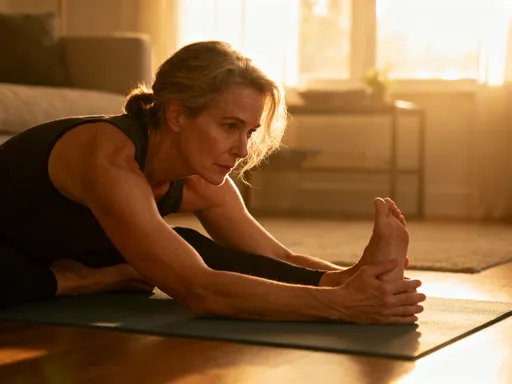
The first is the sit-and-reach test, which measures hamstring and lower back flexibility. Sit on the floor with your legs extended straight in front of you, feet flat against a wall or box. Slowly reach forward with both hands, keeping your knees straight and back neutral. The distance your fingertips reach beyond or short of your toes gives a general indication of hamstring tightness. If you can’t reach your toes without rounding your back, it may suggest tightness that could contribute to lower back strain during daily bending tasks.
The second test is the shoulder cross-arm test, which assesses upper body mobility. Stand with your arms at your sides. Lift one arm straight out to the side, then bring it across your body, trying to touch the opposite shoulder with your fingertips. Repeat on the other side. If one arm can’t cross as far as the other, it may indicate asymmetry or tightness in the shoulders and chest—common in people who spend hours typing or looking at screens. Limited shoulder mobility can affect everything from driving to dressing.
The third test is the deep squat assessment, which evaluates hip, ankle, and spine flexibility. Stand with feet shoulder-width apart and attempt to lower into a full squat, keeping your heels on the ground and chest upright. If you struggle to reach depth, lean forward, or lift your heels, it may point to tightness in the hips, calves, or ankles. This limitation can impact balance, walking efficiency, and the ability to rise from a chair without using your hands. Performing these tests monthly can help you notice gradual improvements and stay motivated to continue.
Why Flexibility Matters: The Science of Supple Movement
Maintaining good flexibility offers a wide range of scientifically supported benefits that extend far beyond ease of movement. One of the most significant advantages is injury prevention. Flexible muscles and tendons can absorb force more effectively, reducing the risk of strains and sprains during physical activity. When tissues are tight, they become less resilient—like a rubber band that’s lost its stretch—and more prone to tearing under stress. This is especially important as we age and natural tissue elasticity declines.
Improved flexibility also supports better posture. Tight muscles, particularly in the chest, hips, and hamstrings, can pull the body out of alignment, leading to slouching, rounded shoulders, or an exaggerated lower back curve. Over time, poor posture increases wear and tear on joints and discs, contributing to chronic discomfort. By restoring balance through stretching, you allow the spine to sit in a more neutral, supported position, reducing strain on the neck, back, and shoulders.
Another often-overlooked benefit is enhanced circulation. When muscles are tight, blood flow can be restricted, leading to increased soreness and slower recovery after activity. Stretching helps relax muscle tension, improving blood flow and delivering more oxygen and nutrients to tissues. This not only reduces muscle fatigue but also supports overall tissue health. Studies have shown that regular stretching can decrease delayed-onset muscle soreness (DOMS), making daily activities and workouts feel less taxing.
Flexibility also plays a crucial role in balance and fall prevention, especially in older adults. Stiff joints and limited range of motion make it harder to adjust quickly to changes in terrain or regain stability when tripped. Research has linked improved flexibility with better proprioception—the body’s ability to sense its position in space—which is essential for coordination and safe movement. By maintaining supple muscles and responsive joints, you support long-term mobility and independence, allowing you to stay active and confident in your body’s capabilities.
Simple Daily Habits That Actually Improve Flexibility
One of the biggest barriers to improving flexibility is the belief that it requires long, intense sessions or expensive classes. The truth is that consistency matters far more than duration or intensity. Just five to ten minutes of stretching per day can yield noticeable improvements over time. The key is to integrate flexibility work into your existing routine in a way that feels manageable and sustainable.
A practical approach is to divide stretching into three simple categories: dynamic movements in the morning, static holds in the evening, and mobility breaks throughout the day. Start your day with gentle dynamic stretches to wake up stiff muscles. Arm circles, leg swings, and slow torso twists help lubricate joints and prepare the body for movement. These are not vigorous exercises—just smooth, controlled motions performed for 30 seconds to a minute per movement. They signal to the nervous system that it’s safe to move, reducing the stiffness that often accompanies waking up.
In the evening, focus on static stretches—those where you hold a position for 30 seconds or more. Target major muscle groups: calves, hamstrings, hips, chest, and shoulders. For example, a simple standing calf stretch against a wall, a seated forward bend, or a kneeling hip flexor stretch can all be done without equipment. The goal is not to push to the point of pain but to feel a gentle pull. Breathing deeply during each stretch enhances relaxation and helps the muscles release more fully. Over time, this routine can improve sleep quality by calming the nervous system and releasing physical tension accumulated during the day.
During the day, take short mobility breaks—especially if you sit for long periods. Every hour or two, stand up and perform a few quick movements: neck rolls, shoulder shrugs, seated spinal twists, or ankle circles. These micro-stretches prevent stiffness from settling in and keep circulation flowing. You can do them at your desk, while waiting for the kettle to boil, or during TV commercials. Pairing stretching with existing habits—like brushing your teeth or waiting for your coffee to brew—makes it easier to remember and maintain. Small, repeated efforts add up to meaningful change.
When to Seek Professional Guidance: Listening to Your Body
While most people can safely improve flexibility on their own, there are times when professional guidance is essential. The body communicates through sensation, and learning to distinguish between normal stretching discomfort and harmful pain is crucial. Mild tension or a gentle pulling sensation during a stretch is expected and safe. But sharp, stabbing, or radiating pain is a warning sign that something is wrong. If you experience pain during movement, it’s important to stop and assess rather than push through.
Sudden loss of range of motion in a joint, especially if it wasn’t caused by a known injury, should also prompt a consultation with a healthcare provider. This could indicate an underlying condition such as arthritis, joint inflammation, or a muscle imbalance that needs targeted attention. Similarly, noticeable asymmetry—such as one shoulder sitting higher than the other or one leg feeling significantly tighter—may point to postural or biomechanical issues that benefit from professional evaluation.
Physical therapists, chiropractors, or certified mobility specialists can provide personalized assessments and corrective exercises tailored to your body’s unique needs. They can identify movement patterns that contribute to stiffness and offer strategies to address them safely. For individuals with chronic conditions like osteoarthritis, fibromyalgia, or past injuries, professional guidance ensures that stretching efforts are both effective and protective. These experts don’t just treat symptoms—they help you understand your body’s mechanics, empowering you to move with greater confidence and safety.
Seeking help is not a sign of failure but an act of self-respect. It reflects a commitment to long-term health and a willingness to care for your body with knowledge and precision. Just as you wouldn’t ignore persistent tooth pain or vision changes, you shouldn’t ignore persistent movement limitations. Professional support can be the difference between temporary relief and lasting improvement.
Making Flexibility a Lifelong Habit: Small Shifts, Big Results
The most sustainable way to improve flexibility is to reframe it not as a chore or fitness obligation, but as an act of self-care. When viewed this way, stretching becomes less about achieving a goal and more about cultivating a relationship with your body. It’s a daily conversation—one that says, 'I notice you, I care for you, and I want you to feel good.' This mindset shift transforms flexibility from something you 'should' do into something you choose to do, because it feels good and makes life easier.
Building this habit doesn’t require dramatic changes. Start by attaching stretching to an existing routine. For example, do a few gentle neck and shoulder rolls after brushing your teeth in the morning. Perform a standing hamstring stretch while waiting for your coffee to brew. Do a seated spinal twist while watching the evening news. These small moments add up, and over time, they become automatic. The brain learns to associate these actions with comfort and relief, reinforcing the habit naturally.
Beyond the physical benefits, mindful stretching offers mental and emotional rewards. Taking just a few minutes to focus on your breath and body can reduce stress, improve focus, and increase body awareness. It’s a form of moving meditation—quiet time in a busy day where you reconnect with yourself. Many women in their 30s, 40s, and 50s report feeling more grounded and centered after incorporating daily stretching into their lives. It’s not just about how you move; it’s about how you feel in your own skin.
Flexibility is not a destination. It’s an ongoing practice, one that evolves with your body and life circumstances. There will be days when you feel looser and days when you feel tighter—and that’s normal. The goal isn’t perfection but presence. By showing up for your body consistently, with kindness and patience, you support not only your physical health but your overall well-being. You invest in a future where you can move freely, play with your children or grandchildren, travel comfortably, and live with greater ease. Bend before you break—because flexibility isn’t just about how far you can stretch. It’s about how well you can live.